Primer is the step homeowners most want to skip and the one professionals argue about least. If you are asking whether you need primer before painting, the useful answer is that it depends on what you are painting over, and there are a handful of situations where it is not optional at all. Primer is not just thin paint. It does jobs that finish paint is not formulated to do. It seals porous surfaces so the topcoat absorbs at one rate. It blocks stains that would otherwise bleed through. It creates adhesion on surfaces that paint would slide off. Skipping it saves a few hours and a bit of material, and when it is skipped in the wrong place the result is visible within weeks. This walks through what primer actually does, the five situations where you cannot skip it, when you genuinely can, and what to make of paint and primer in one products.
What Primer Actually Does
Three things, mainly. It seals, meaning it stops a porous surface like bare drywall, joint compound, or raw wood from drinking your finish coat unevenly. It blocks, meaning it locks in stains, tannins, smoke residue, and water marks that would otherwise migrate up through the new paint over the following months. And it bonds, meaning it gives the finish coat something to grip on a surface that would otherwise reject it, like glossy old enamel or bare metal. Finish paint is formulated for color, durability, and appearance. It is not formulated to do any of those three jobs well. That is the entire reason two separate products exist, and it is why substituting an extra coat of finish paint for a coat of primer solves neither the absorption problem nor the stain problem.
Five Situations Where Primer Is Not Optional
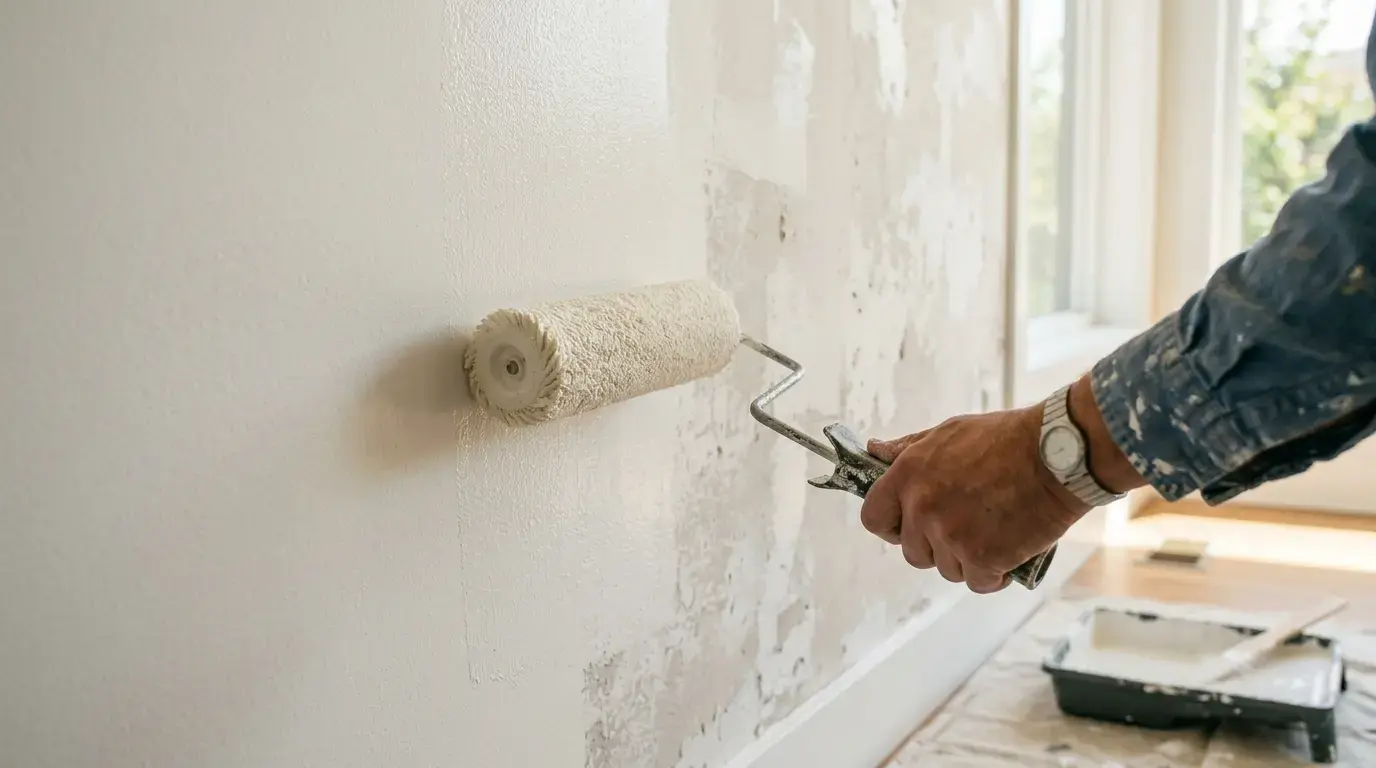
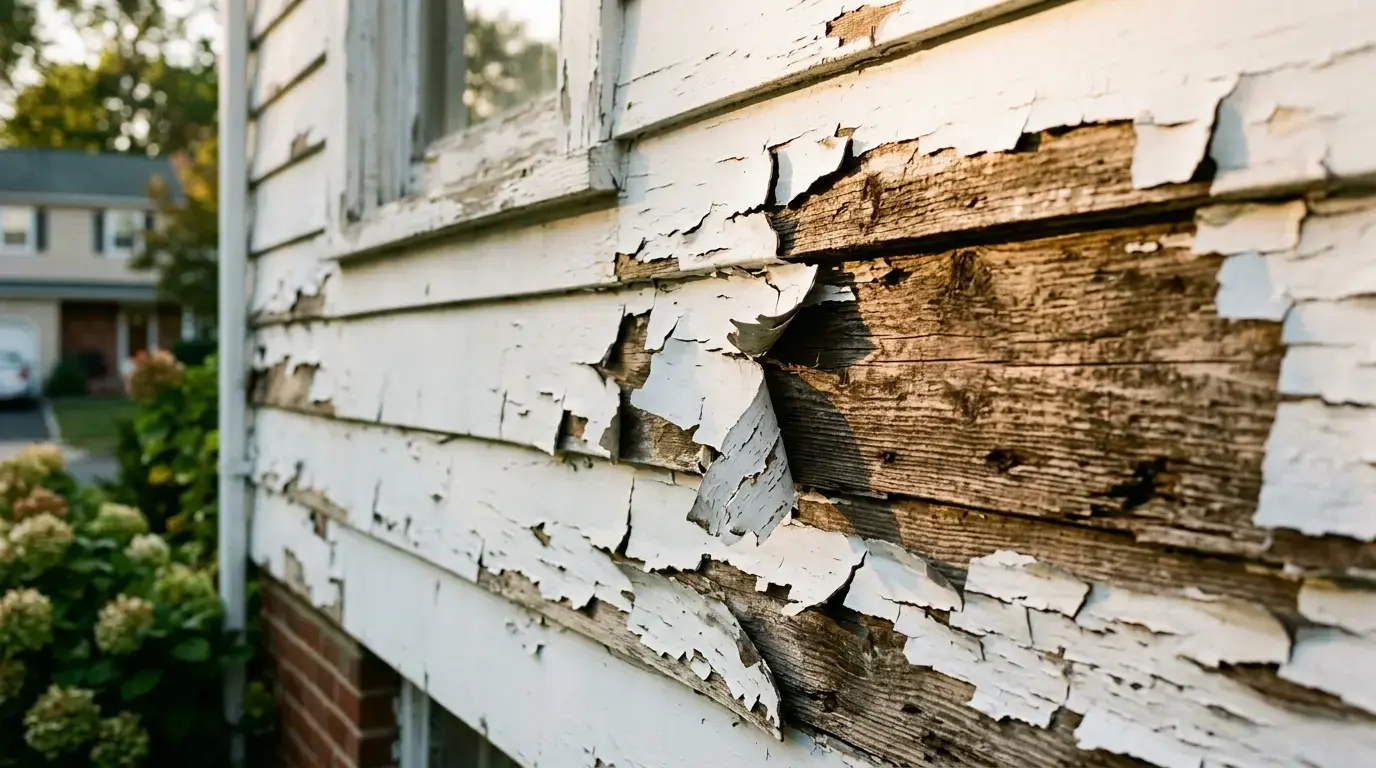
Bare drywall and fresh joint compound, because the paper and the compound absorb at completely different rates and a finish coat straight onto them flashes at every seam and screw. Any patch or repair, for the same reason at smaller scale. Water stains, smoke damage, or tannin bleeding wood like cedar and redwood, which need a stain blocking primer or the mark comes back through. Glossy surfaces, including old oil based enamel on trim, where paint has nothing to grip unless the gloss is sanded and primed. And bare metal, which needs a primer formulated to bond to steel and to handle any rust that was addressed. In all five, skipping primer does not produce a slightly worse result. It produces a visible failure.
When You Can Genuinely Skip It
If the wall is already painted, the existing finish is sound, there are no repairs, no stains, and no jump in sheen, and you are staying in a similar color range, primer is not adding much. Two coats of quality finish paint over a stable, previously painted, properly prepared surface is a legitimate specification. That is a real scenario and it covers a lot of ordinary repaint work in an occupied house. The condition that matters most in that list is no repairs. As soon as a wall has patched nail holes or a taped crack, primer goes back on the list, because that patch will read differently under raking light for as long as the paint lasts. One primed patch is faster than repainting the wall later.
One primed patch is faster than repainting the wall later.
What Paint and Primer in One Really Is
It is a self priming finish paint, generally thicker with higher solids content than standard paint. On a sound, previously painted, similar colored surface it performs well and can save a step. That is a genuine product category and not marketing fiction. What it is not is a substitute for a dedicated stain blocking primer over a water mark, a bonding primer over glossy enamel, or a proper primer over bare drywall. Those situations call for a product engineered for that specific job, and a general purpose self priming paint is not that product. Read the claim as covering the easy case rather than every case. Our interior painting, exterior painting, and residential painting quotes call out primer separately so you know what you are paying for. Get a free estimate and we will look at the surfaces first.