Vinyl siding was sold for decades as the material you never have to paint, and for the first fifteen or twenty years that is broadly true. Then it fades, chalks, and starts looking tired, and homeowners assume the only option is replacement. Comparing painting vinyl siding versus replacing it in New Jersey is worth doing carefully, because the two options are not remotely close in cost and they are not always different in outcome. Painting sound vinyl is a fraction of the price of a siding replacement and it can buy you many years. Replacement is the right call in specific circumstances that have nothing to do with color. The deciding factor is almost never how the siding looks. It is the physical condition of the panels and what is behind them. Here is how to work out which situation you are actually in before you get quotes for two very different projects.
When Painting Vinyl Makes Sense
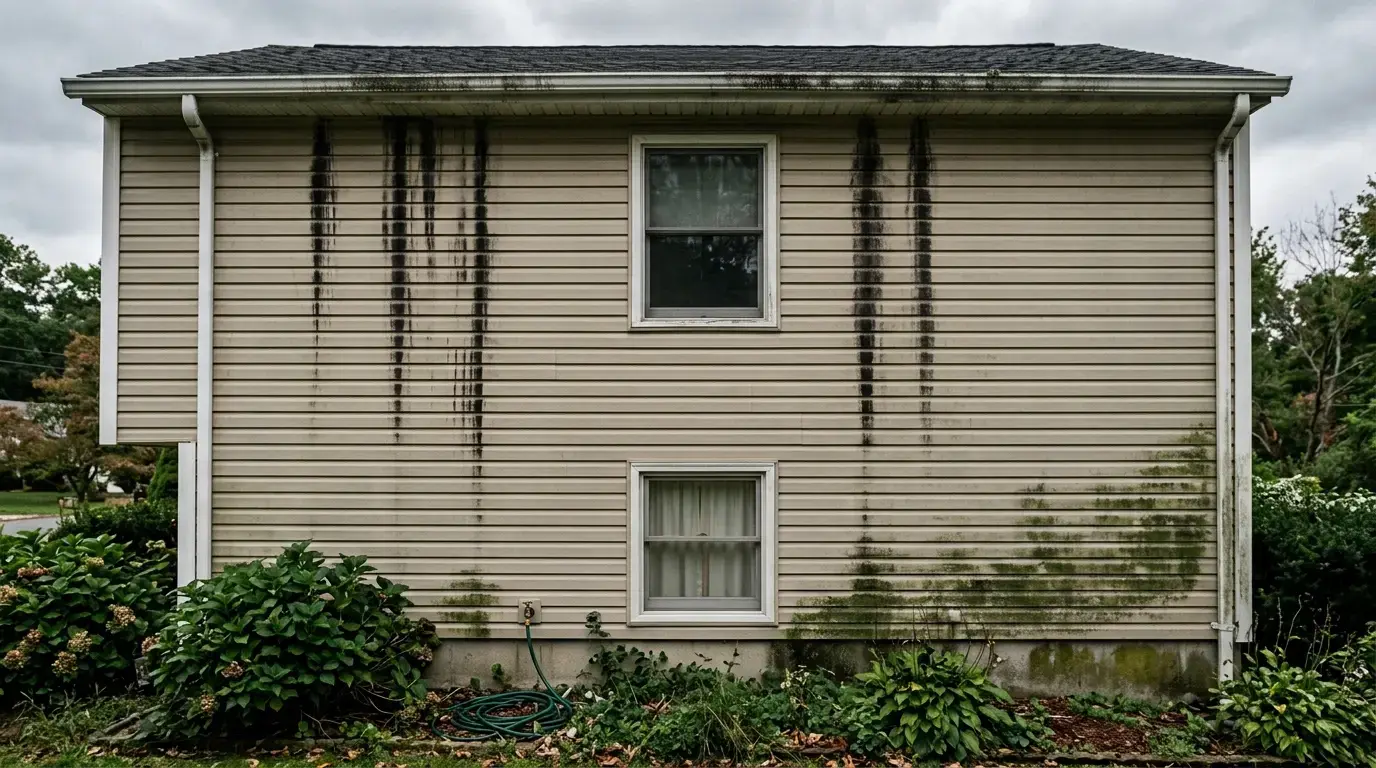
If the panels are physically sound, meaning they are not cracked, warped, brittle, or coming loose, and your complaint is that the color has faded, chalked, or simply gone out of style, painting is the obvious answer. Vinyl takes paint well when it is properly cleaned and the right products are used, and the cost difference against replacement is not marginal. It is a different order of magnitude. Painting also lets you change color entirely, which replacement only does if you are happy with what the manufacturer offers. The prep matters enormously here. Chalked vinyl has to be washed thoroughly, and the surface has to be genuinely clean and dry before coating. Done properly, a painted vinyl exterior holds up for years. Done over chalk, it fails within two.
When Replacement Is the Better Call
Paint does not fix physical damage. If panels are cracked, holed, warped from heat, or so brittle they snap when handled, coating them makes damaged siding a uniform color and nothing more. More importantly, if there is any question about what is behind the siding, replacement is the only option that lets anyone look. Water intrusion, rotted sheathing, failed house wrap, and missing insulation are all invisible until the panels come off. If you have interior signs of moisture on exterior walls, or the siding is loose and rattling in wind, or the house has known water history, replacement is not the expensive option. It is the one that addresses the actual problem instead of covering it.
The Color Limits Nobody Mentions
Vinyl expands and contracts significantly with temperature, and dark colors absorb far more heat than light ones. Paint a vinyl wall a deep charcoal or navy on a south facing elevation and you can warp the panels, which is a permanent problem that painting created. There are coatings formulated specifically for vinyl with heat reflective pigments that widen the range considerably, and they are what should be specified for any color darker than the original. Even with them there are limits, and a contractor who says any color is fine on vinyl either does not know or is not telling you. This is worth settling before you fall in love with a color chip, because the conversation is much easier before the paint is ordered.
The deciding factor is almost never how the siding looks. It is the physical condition of the panels.
How to Actually Decide
Start with the panels rather than the color. Walk the house and press on the siding in several places on each elevation, especially low near the ground and on the sunniest wall. Look for cracks, holes, warping, and panels that have come loose from their nailing strip. Check inside for any signs of moisture on exterior walls. If everything is sound and your only complaint is appearance, get a painting quote and a replacement quote and compare them honestly, because the gap will be substantial. If you find damage, or the house has water history, spend the money on replacement and do it properly. Our exterior painting and residential painting estimates include a power washing assessment before we quote. Request an estimate and we will walk it with you.